Embrace the Magic of Stylist Writing in Your Designs
In the world of typography, few fonts capture the essence of celebration and joy quite like Stylist Writing. This festive typeface is more than just a visual treat; it's a powerful tool that can elevate your creative projects with its whimsical charm and nostalgic appeal. Whether you're designing holiday cards, crafting gift tags, or working on a seasonal marketing campaign, Stylist Writing brings a unique energy that resonates with both creators and audiences alike.
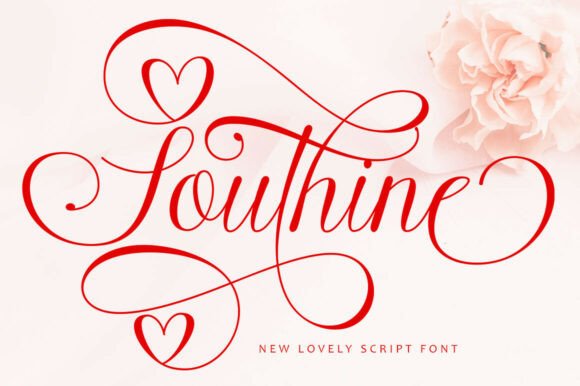
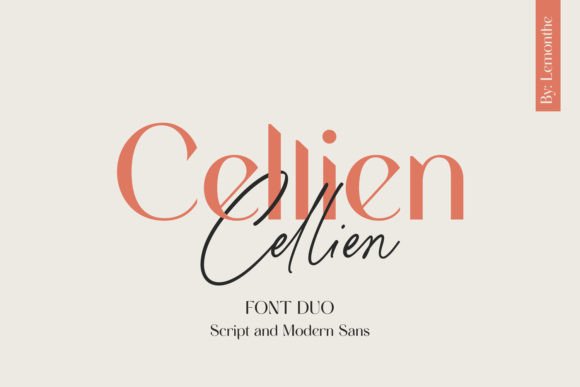
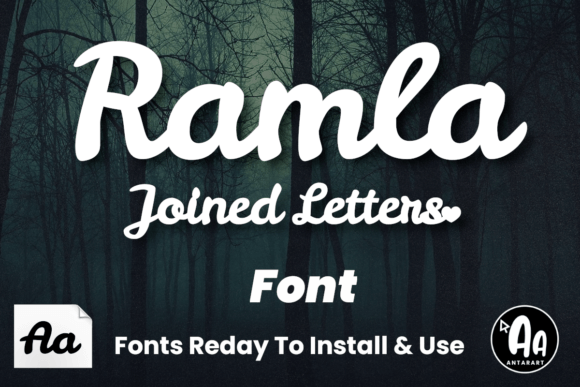
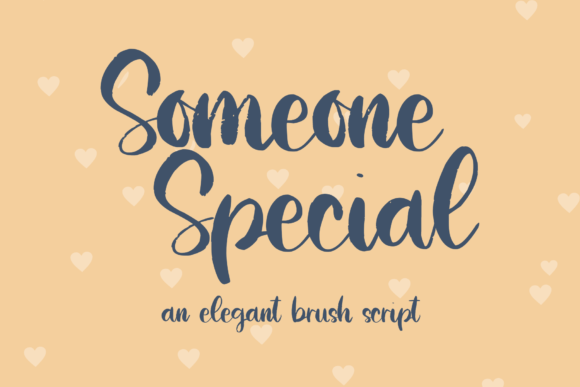
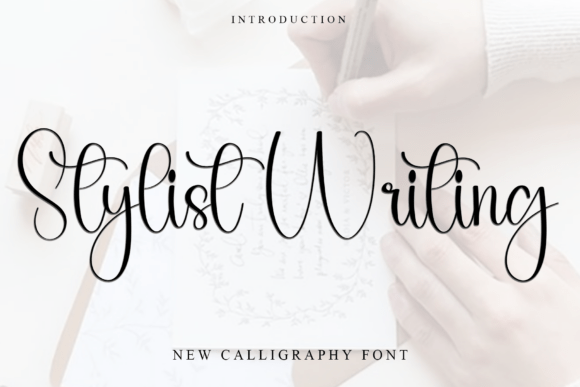
The allure of Stylist Writing lies in its intricate details and expressive character. Each letter is adorned with decorative elements that evoke the spirit of the holidays, making it ideal for designs that aim to convey warmth, merriment, and a sense of occasion. Unlike standard fonts, which often prioritize clarity over flair, Stylist Writing balances readability with a touch of enchantment, ensuring that your message remains clear while still standing out visually.
One of the standout features of Stylist Writing is its PUA encoding. This means that users have direct access to all the glyphs and ligatures embedded within the font, allowing for greater flexibility and customization. For designers who want to push the boundaries of their creativity, this feature opens up new possibilities for experimentation and expression. Whether you're adding subtle flourishes to a headline or creating custom symbols for a project, the versatility of Stylist Writing makes it a valuable asset in any design toolkit.
Applications of Stylist Writing in Creative Projects
The practical applications of Stylist Writing extend far beyond traditional holiday designs. Its festive aesthetic makes it a popular choice for a wide range of creative endeavors, from branding and packaging to digital illustrations and social media content. For instance, a small business owner looking to create a seasonal promotional campaign might use Stylist Writing to craft eye-catching headlines that reflect the spirit of the season while maintaining a professional appearance.
Event planners and designers also find Stylist Writing useful for creating invitations and signage for special occasions. The font’s ornate style adds a touch of elegance and playfulness, making it perfect for weddings, birthdays, and other celebrations. By incorporating Stylist Writing into these materials, designers can create a cohesive visual theme that enhances the overall experience for guests and attendees.
Another area where Stylist Writing shines is in the realm of personal and handmade crafts. Artists and hobbyists often use this font to add a personalized touch to their creations, whether it's a hand-painted sign, a custom greeting card, or a decorative wall art piece. The font’s expressive nature allows for a level of individuality that is difficult to achieve with more conventional typefaces, making it a favorite among those who value uniqueness and craftsmanship.
Benefits of Using Stylist Writing in Design Work
Beyond its aesthetic appeal, Stylist Writing offers several practical benefits that make it a compelling choice for designers and creatives. One of the primary advantages is its ability to convey emotion and atmosphere through typography. The font’s playful and festive characteristics can instantly communicate a sense of joy, nostalgia, or celebration, helping to set the tone for a design project.
Additionally, Stylist Writing can enhance the visual hierarchy of a composition. When used strategically, it can draw attention to key elements such as headlines, titles, or call-to-action text, making it an effective tool for guiding the viewer’s eye through a design. This is particularly useful in marketing materials, where clarity and impact are essential for engaging the target audience.
For educators and students, Stylist Writing can be a valuable resource for teaching typography and design principles. Its distinctive style provides an excellent opportunity to explore how different fonts influence perception and communication. By analyzing the characteristics of Stylist Writing, learners can gain a deeper understanding of how typography shapes visual storytelling and brand identity.
Considerations When Using Stylist Writing
While Stylist Writing is undeniably appealing, it’s important to consider its limitations and appropriate use cases. Due to its decorative nature, it may not be suitable for body text or long-form content, where legibility is paramount. In such instances, it’s best to pair Stylist Writing with a more readable font to maintain balance and accessibility.
Another consideration is the context in which the font is used. While it excels in festive and celebratory settings, it may not align with the tone of more formal or professional projects. Designers should carefully evaluate the message they want to convey and ensure that the font supports the intended purpose without overshadowing the content.
Finally, it’s worth noting that the effectiveness of Stylist Writing depends on the quality of the design it’s integrated into. A well-crafted layout that complements the font’s characteristics can significantly enhance its impact, while a poorly designed composition may diminish its appeal. As with any design element, thoughtful application is key to achieving the desired effect.
Exploring the Future of Festive Typography
The growing popularity of Stylist Writing reflects a broader trend in the design industry toward more expressive and emotionally resonant typography. As consumers become more attuned to the visual language of brands and products, there is an increasing demand for fonts that can convey personality and mood effectively. This shift highlights the importance of choosing the right typeface to support the message and values of a project.
Looking ahead, we can expect to see more innovation in the realm of festive and thematic fonts, with designers experimenting with new styles and techniques to create even more immersive experiences. Stylist Writing serves as a prime example of how typography can be both functional and fun, offering a glimpse into the future of design that prioritizes creativity and connection.