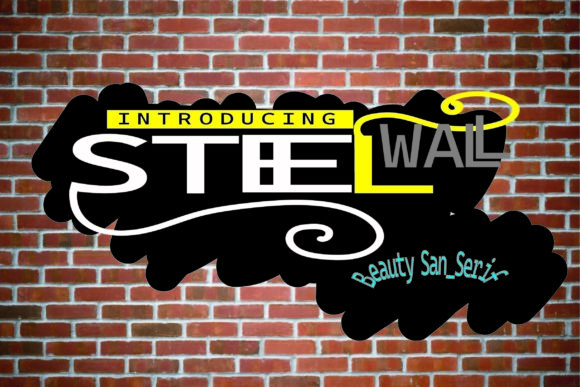
Steel Wall: A Bold and Stylish Display Font for Every Project
When it comes to typography, the right font can make all the difference. Steel Wall is a display font that stands out with its bold and thick lettering, making it ideal for eye-catching designs. Whether you're a designer, business owner, or content creator, understanding what makes Steel Wall unique can help you decide if it's the right choice for your projects.
What Is Steel Wall?
Steel Wall is a display font known for its strong, robust appearance. Its thick strokes and sharp edges give it a commanding presence, perfect for headlines, logos, and other visual elements that need to grab attention. Unlike more traditional fonts, Steel Wall offers a modern aesthetic that blends strength with style.
The font is PUA encoded, which means you can access all of its glyphs and swashes without any special software or licensing issues. This makes it easy for designers to use in a variety of applications, from print to digital media.
Key Features of Steel Wall
- Bold and Thick Lettering: The heavy weight of Steel Wall ensures it commands attention, making it ideal for large text displays.
- PUA Encoding: Access to all glyphs and swashes simplifies design workflows and enhances flexibility.
- Modern Aesthetic: Steel Wall combines strength with a clean, contemporary look that works well in both digital and print formats.
- High Legibility: Despite its thickness, the font maintains good readability, especially at larger sizes.
Who Can Benefit From Steel Wall?
Steel Wall is versatile enough to suit a wide range of users. For professionals in graphic design, branding, or advertising, this font can be a powerful tool for creating memorable visuals. Business owners looking to establish a strong brand identity may find Steel Wall useful for logos, banners, and marketing materials.
Creators and artists who work on digital projects, such as web design, social media content, or video graphics, can also benefit from using Steel Wall. Its boldness helps stand out in a crowded space, making it a go-to choice for those who want their work to be noticed.
Where Can You Use Steel Wall?
The applications for Steel Wall are nearly limitless. It’s commonly used in:
- Logos and Branding: Steel Wall adds a sense of strength and professionalism to company logos and brand identities.
- Headlines and Titles: Its bold nature makes it excellent for headlines, titles, and other prominent text elements.
- Print Materials: From posters to packaging, Steel Wall delivers impact in physical formats.
- Digital Media: Websites, social media posts, and mobile apps can use Steel Wall to create visually striking content.
For example, a tech startup might use Steel Wall in their website header to convey innovation and reliability. A fitness brand could incorporate it into their logo to reflect strength and determination.
Strengths and Considerations
One of the biggest strengths of Steel Wall is its ability to make a statement. Its thick letters and bold design ensure that it stands out, which is essential in competitive markets. Additionally, the PUA encoding allows for greater customization and control over the font’s appearance.
However, it’s important to consider the context in which you use Steel Wall. While it excels in large-scale designs, it may not be the best choice for body text due to its weight and density. In smaller sizes, the font can become difficult to read, so it’s best reserved for headings and short phrases.
Another consideration is the tone it conveys. Steel Wall has a strong, assertive feel that may not align with every brand or message. If you’re aiming for a more subtle or elegant look, a different font might be more appropriate.
Real-World Applications of Steel Wall
Let’s explore some real-world scenarios where Steel Wall proves its value:
- Event Promotions: A music festival might use Steel Wall in its promotional posters to create a dynamic and energetic visual.
- Product Packaging: A beverage company could use the font on its labels to emphasize quality and boldness.
- Advertising Campaigns: An automotive brand might incorporate Steel Wall into its ad copy to reinforce a sense of power and reliability.
In each of these cases, Steel Wall contributes to a cohesive and impactful visual identity. Its versatility allows it to adapt to different industries and design needs.
How to Evaluate Steel Wall for Your Needs
If you’re considering using Steel Wall, start by identifying your design goals. Ask yourself: What message do I want to convey? What kind of visual impact do I need? How will the font perform in different formats?
Testing the font in various contexts is also crucial. Try using it in mockups, prototypes, or sample designs to see how it looks in practice. Pay attention to legibility, contrast, and overall aesthetics.
Additionally, consider the audience you’re targeting. Does Steel Wall align with their expectations and preferences? If your audience values boldness and strength, then this font could be a great fit. If not, you may need to explore other options.
Conclusion
Steel Wall is more than just a font—it’s a design tool that brings strength, clarity, and style to any project. With its bold lettering, PUA encoding, and versatility, it offers a powerful way to communicate visually. Whether you're designing a logo, creating a website, or developing marketing materials, Steel Wall can help you make a lasting impression.
By understanding its features, applications, and limitations, you can determine if Steel Wall is the right choice for your specific needs. As with any design element, the key is to use it thoughtfully and strategically to achieve the desired effect.